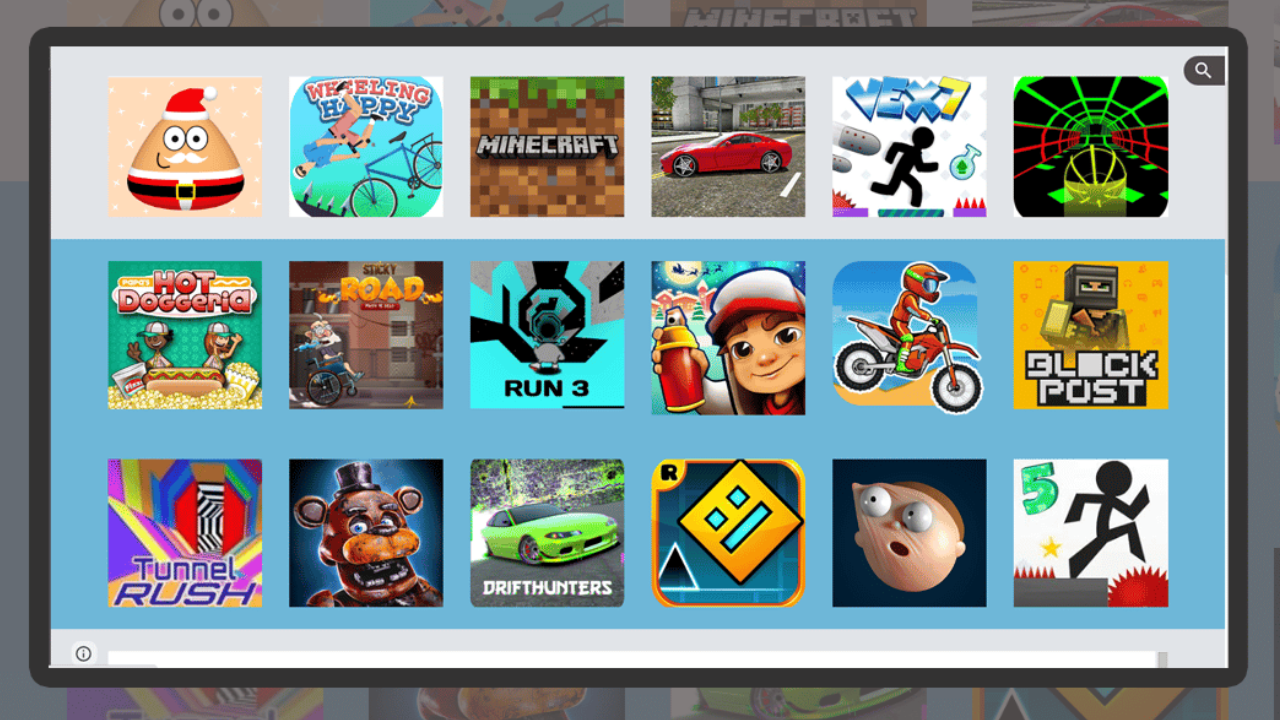
There was a time when entertainment meant sitting in front of a TV, flipping channels, and settling for whatever was on. Today, that world feels distant. The rise of the slot97 ecosystem has quietly rewritten how people relax, connect, and even compete. It’s not just about playing anymore—it’s about experiencing something bigger.
A New Kind of Digital Playground
Think about this for a moment. When was the last time you watched something without also interacting with your phone? Attention has shifted. People want involvement, not just observation.
That’s where online game platforms step in.
They offer a space where users don’t just watch stories unfold—they become part of them. Whether it’s exploring vast virtual worlds or teaming up with friends across continents, the experience feels alive. It’s dynamic. It responds to you.
A teenager in Karachi can team up with a player in Tokyo. A working professional in London can unwind with friends after a long day without leaving home. These platforms are not limited by geography, and that changes everything.
Entertainment That Feels Personal
Traditional entertainment follows a script. You watch what’s already been created. But gaming platforms? They adapt.
Every decision matters. Every move changes the outcome.
Have you ever noticed how satisfying it feels to win a match after multiple failed attempts? That emotional investment is what keeps players coming back. It’s not passive. It’s deeply personal.
For example, someone might spend hours building a virtual city or customizing a character. That creation becomes an extension of themselves. It’s not just a game anymore—it’s their story.
Social Connection in a Digital Age
Here’s a question worth asking: Are people really becoming more isolated, or are they just connecting differently?
Online game communities suggest the latter.
Voice chats, team missions, and multiplayer challenges create strong social bonds. Friends laugh together, strategize together, and sometimes even argue—but that’s part of the connection.
During global lockdowns, many people turned to gaming platforms not just for fun, but for companionship. Birthdays were celebrated in virtual worlds. Friendships were formed between people who may never meet in real life.
That’s a powerful shift. Entertainment is no longer a solo activity—it’s shared, interactive, and deeply social.
From Casual Fun to Competitive Thrill
What starts as casual play often turns into something more intense.
Competitive gaming has exploded in popularity. Players train, improve their skills, and participate in tournaments. Some even turn it into full-time careers.
But even if someone isn’t aiming for professional status, the thrill of competition is undeniable. Climbing leaderboards, unlocking achievements, and mastering strategies create a sense of progress.
It’s similar to sports—but accessible to anyone with a device and an internet connection.
Endless Variety Keeps It Fresh
One of the biggest reasons for this transformation is variety.
There’s something for everyone. Puzzle lovers, action seekers, storytellers, and strategy thinkers all find their space. You can switch genres in seconds, try something new, or return to a familiar favorite.
Unlike traditional entertainment, which can feel repetitive, gaming platforms evolve constantly. Updates, new levels, and seasonal events keep the experience fresh.
It’s like walking into a theme park that never closes and keeps adding new rides.
The Blending of Entertainment Worlds
Another interesting shift is how gaming is merging with other forms of entertainment.
Music concerts are being hosted inside games. Movies inspire game storylines. Influencers stream their gameplay to millions of viewers. Suddenly, boundaries are disappearing.
A player might watch a live stream, join a game, and chat with a community—all in one sitting. It’s a seamless blend of content and interaction.
This convergence is shaping a new kind of entertainment culture—one that’s immersive and interconnected.
Accessibility Is Changing the Game
Not long ago, gaming required expensive equipment. That’s no longer the case.
Mobile devices, cloud gaming, and browser-based platforms have made it easier than ever to jump in. Anyone with a smartphone can explore this world.
This accessibility has opened doors for millions of new users. Different age groups, backgrounds, and skill levels are now part of the same ecosystem.
Entertainment is no longer limited by cost or complexity—it’s available to almost everyone.
Why This Shift Matters
So, what does all this really mean?
It means entertainment is no longer something you simply consume. It’s something you participate in.
It’s interactive, social, and constantly evolving.
The modern online game experience reflects what people truly want today—freedom, connection, and engagement. It fits into busy lives while still offering moments of excitement and escape.
And perhaps most importantly, it gives people a sense of control over their entertainment choices.
Looking Ahead
The future of entertainment is not about choosing between watching, playing, or connecting. It’s about having all three in one place.
As technology continues to grow, these platforms will only become more immersive. Virtual reality, augmented experiences, and smarter interactions are already on the horizon.
But at its core, the appeal will remain the same: people want to feel involved.
If you haven’t explored this world yet, now might be the perfect time to see what makes it so compelling—and discover where your own story begins.